Walking up to a live or digital wheel in Australia, the first thing that matters is not your bet size but your manners. Good roulette table etiquette tips help every player, dealer and bystander enjoy a fair session without friction. Whether you are dropping into a Brisbane club on a Friday arvo or spinning from home, the same courtesy rules apply: know the layout, respect the dealer’s rhythm, and never splash chips across the felt after the ball is already in motion. The right habits also make it easier to spot when a platform’s interface and localisation are doing the heavy lifting for you.
Reading the felt before the first spin
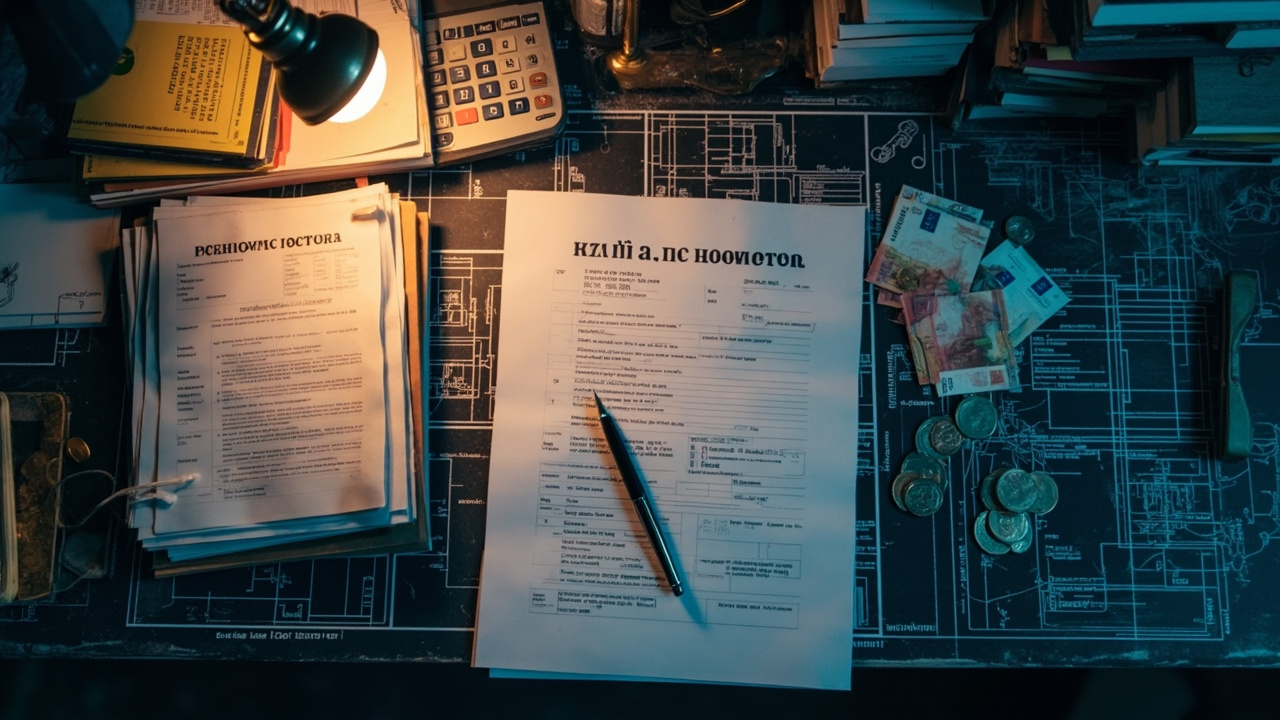
A tidy table starts with a clear read of the layout, and that reading is where solid roulette table etiquette tips begin to pay off. Before you place anything, pause long enough to confirm the bet types, the minimum and maximum limits, and whether the table is running European or American pockets. In a busy Brisbane venue, dealers move quickly, and crowding the layout with mixed chips or half-finished calls slows the whole floor. On a digital surface, the same discipline matters: check the pay grid, confirm the currency shown is AUD, and make sure the active bet markers match what you actually intended. I asked James Martin, Independent iGaming Expert at Brighton Beach Betting Lab, how interface clarity ties into table manners, and he put it plainly: “A well-signposted layout removes the awkward ‘sorry, I meant that pocket’ moments, which is exactly what etiquette is trying to prevent.” That comparison matters because a clean presentation works a bit like a physics engine in a well-built slot: the underlying math stays serious, but the visible cues keep every interaction predictable and polite. When the numbers, colours and chip values are easy to parse, you spend less time second-guessing and more time playing with the table’s rhythm rather than against it.
| What to check | Why it matters | Quick habit |
|---|---|---|
| Pocket style and number range | Avoids accidental outside greennanomesh.com bets on the wrong layout | Confirm before the first chip drops |
| Table limits in AUD | Keeps stakes aligned with your bankroll plan | Note the min and max before joining |
| Active bet markers | Prevents duplicate or misplaced chips | Clear old markers before a new round |
| Dealer call timing | Respects the flow of the game | Wait for the clear “no more bets” cue |
Keeping pace with the dealer and the digital timer
The second layer of roulette table etiquette tips is all about timing, because a table only runs smoothly when everyone respects the same clock. Live dealers call the round in stages, and the polite move is to place your chips during the betting window, then step back when the ball is released. Tapping the felt after the spin, arguing a settled outcome, or leaning over another player’s section creates the kind of friction that turns a relaxed session into a tense one. Digital wheels add their own timer, and the courteous habit is to treat that countdown as a hard boundary rather than a suggestion. Evie Collins, Affiliate Partnerships Director at the Pacific Player Protection Institute, noted that pacing is where interface design and player behaviour meet: “When a timer is visible and consistent, players stop trying to squeeze in late chips, and the whole session feels less rushed.” That is a useful comparison for anyone who has watched a slot’s spin cadence line up with its math model; the visible rhythm is not decoration, it is the structure that keeps expectations honest. If you are playing from home on a mobile screen, the same idea applies: do not refresh mid-round, do not stack multiple pending bets after the marker closes, and let the round finish before you change your stake. A little patience at the table is the difference between a smooth session and one where every player is fighting the clock.
- Place chips only during the open betting window.
- Step back from the layout once the ball is released.
- Accept the dealer’s or timer’s result without re-litigating it.
- Wait for the next round before changing your stake or strategy.
Local cues, currency and the Brisbane floor
The final piece of roulette table etiquette tips is the local layer, because a table feels different when language, currency and venue culture are all aligned. In Australia, that means seeing AUD stakes, familiar terminology, and a pace that matches the club or lounge you are in. A Brisbane floor on a busy night can feel loud and fast, so the polite move is to keep your calls short, your chips easy to read, and your conversation away from the dealer’s line of sight during a spin. Digital platforms need the same kind of localisation: clear AUD formatting, a layout that does not hide the bet grid behind extra taps, and support that speaks in a way that matches the market. Noah Campbell, Head of Operator Partnerships at Wattle Gaming Partners, framed it as a design judgement rather than a cosmetic choice: “If the currency, the labels and the round flow all feel native to the player, the table stops feeling like a translation and starts feeling like a shared space.” That is the same kind of thinking that separates a physics-driven iGaming build from a plain visual skin; the serious math underneath only matters if the surface lets people read it without effort. When the localisation is right, you spend less energy decoding the screen and more energy actually following the table’s rhythm. For anyone comparing options, it is worth checking how a platform presents its limits, its language and its round timing before you put a single chip in play, and a good place to compare those presentation details across titles is https://gates-of-olympus-slots-au.com/, where the way each game surfaces its own rules can tell you a lot about how the table will feel once you are seated.
A respectful table is mostly about small, repeatable habits: read the layout first, follow the timing, and let the local cues set the pace. Those roulette table etiquette tips do not change the odds, but they do change how a session feels for everyone around the wheel. Pick a table whose limits and currency match your plan, keep your bets inside the round, and let the dealer or the timer do the calling. That is the part of the game that stays entirely in your control.
Skriv et svar