When the lights go down in a Melbourne laneway, the conversation rarely turns to house edges or RTP tables. It turns to whether a session felt fair, whether the community was engaged, and whether the operator actually understood the local rhythm. Hold and win pokie tournament AUD has quietly carved out a position that leans into those priorities rather than chasing the usual acquisition noise. The model is built around timed competitive rounds, a fixed prize pool, and a mechanic that rewards patience over button-mashing. For an Australian adult who wants a more structured way to play pokies, the approach deserves a proper look.
What the Hold and Win Tournament Model Looks Like in Practice
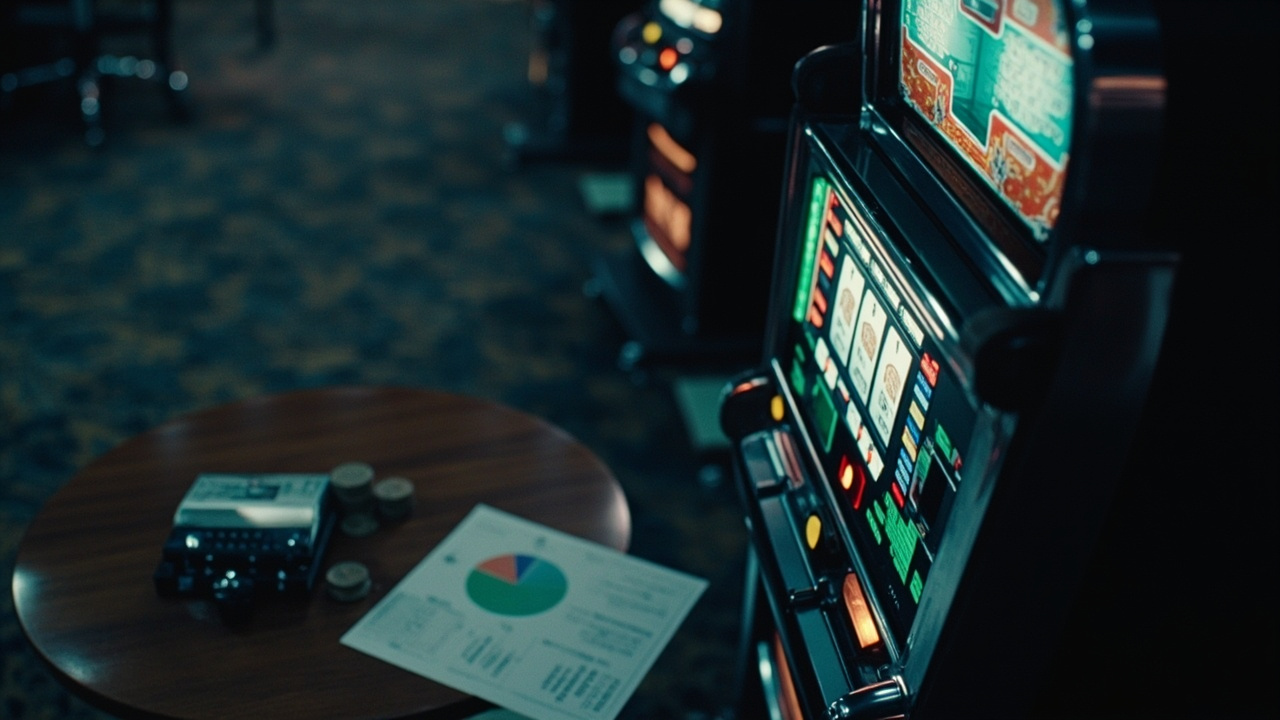
The core idea is straightforward: instead of a solo spin session running on its own clock, players enter a scheduled round where a portion of the action feeds into a shared prize pool. Hold and win pokie tournament AUD structures those rounds around a clear entry window, a visible leaderboard, and a payout mechanic that distributes winnings based on rank and participation thresholds. The games on offer tend to lean toward established pokie titles with a hold-and-win feature, meaning the bonus round itself becomes part of the competitive layer rather than a separate afterthought.
Two traits stand out once you spend time on the platform. First, the registration flow is compact and asks for the details needed to run a tournament entry without padding the form with fields that feel copied from a generic loyalty sign-up. Second, the mobile experience is built for short sessions, which matters in a market where a lot of play happens between shifts, during a commute, or in the middle of an arvo that suddenly opens up. The interface keeps the tournament clock, your standing, and the active game state visible without forcing constant scrolling.
Payments and currencies are handled in AUD, which keeps the numbers on the screen aligned with what most local players actually think in. That sounds basic, but it removes a layer of mental conversion that can make tournament stakes feel fuzzier than they should. Support is reachable through the usual channels, and the response style tends to reflect a team that expects practical questions about entries, pending rounds, and account status rather than vague marketing replies. Loyalty, where it exists, is tied to tournament participation rather than a generic points dump, so repeat play has a clearer reason to exist.
If you are weighing whether the operator behind this setup is worth a closer look, it helps to check an independent spinsamurai review before you commit time or funds, because the brand angle only goes so far without a second set of eyes on the actual player experience.
Why the Tournament Angle Resonates With Australian Play Habits
A conversation I had with an industry expert during a planning session for a community growth push stuck with me. The expert pointed out that competitive formats work best when they feel like a social event with rules, not a sales funnel dressed up as a game. That distinction matters here. A hold and win pokie tournament AUD round has a beginning, a visible finish, and a prize distribution that players can read at a glance. The tension comes from the clock and the leaderboard, not from a vague promise that the next spin will somehow change everything.
That structure lines up with how a lot of Australian players actually think about sessions. People are busy as, and a tournament window gives the play a shape that fits around work, family, and the rest of the week rather than demanding an open-ended commitment. It also changes the way people talk about a site. Instead of comparing raw bonus numbers in isolation, the conversation shifts to whether the rounds are scheduled sensibly, whether the leaderboard updates feel honest, and whether the payout logic is easy to follow.
A few things tend to matter most once you are in the middle of a round:

- The entry window should be clear enough that you can plan around it without guessing
- The leaderboard needs to update in a way that feels current, not delayed
- The prize distribution should be readable without digging through fine print
- The game selection should match the hold-and-win mechanic instead of bolting it on as an afterthought
- The support path should be usable when a round question comes up mid-session
None of this is about pretending the format removes risk or guarantees a positive outcome. It does not. What it does is give the session a structure that feels more like a planned event than a loose scroll through a lobby. For players who like a bit of competition without the noise that usually surrounds it, that is a defo better fit than a generic bonus chase.
Rather, it is about making informed decisions based on realistic expectations and thorough research. You can read a comprehensive spinsamurai review at https://spinsamuraireviews.com/ to understand the nuances before committing. This ensures you approach the format with eyes wide open.
How to Approach These Rounds Without Treating Them Like a Bonus Code
There is a temptation to treat any tournament as a shortcut, and that is where people get disappointed. The better approach is to treat the round as its own thing, with its own timing and its own limits. In practice, that means checking the entry window before you sit down, understanding what rank or participation level actually matters for the payout you care about, and not assuming that a busy leaderboard is automatically a sign that the round is worth your time.
The same industry expert I mentioned earlier made a point that applies here: acquisition teams can stack incentives, but community growth only sticks when the format is easy to explain in one or two sentences. Hold and win pokie tournament luckyelfnodeposit.com AUD works better when the player can say, “There is a timed round, a prize pool, and a leaderboard,” without needing a paragraph of caveats. That simplicity is part of the fit, especially for people who are comparing options and want to know what they are signing up for before they register.
It also helps to keep the broader context in mind. If you are planning around other competitive formats on the side, reading something like Planning Around Video Poker Tournaments In 2026 can be a useful reminder that schedule awareness matters across different game types, even if the mechanics are not identical. The lesson carries over: know the window, know the rules, and do not confuse a scheduled event with an open-ended bonus.
For a Melbourne player, that mindset can be especially practical. Sessions often happen in short blocks, and a tournament that respects that rhythm is easier to fit into a real week than one that feels like it wants you online for hours. The operator’s AUD handling, compact registration, and mobile-friendly layout all support that kind of use, which is probably why the format has started to feel more relevant to local adults who want a clearer reason to return.Planning Around Video Poker Tournaments In
The hold and win pokie tournament AUD model is not trying to reinvent pokies, and it should not be read that way. It is offering a more structured, socially legible way to play, with timed rounds, a visible prize pool, and a leaderboard that gives the session a finish line. For Australian adults who want competition without the usual marketing clutter, that is a reasonable alternative to think about, provided the play stays within whatever limits and responsibilities make sense for your own situation.
Skriv et svar